

EspañolPatient appProvider app
For FQHCs, birth centers & birthing hospitals

Your care team, extended into every home.

InovCares connects to the partners you already have rather than replacing them. Readings arrive as alerts, not reports; rides, groceries and prescriptions close the gaps that cause missed visits; and data writes back to your EHR.

Chicago Family Health Center · Chicago, Illinois

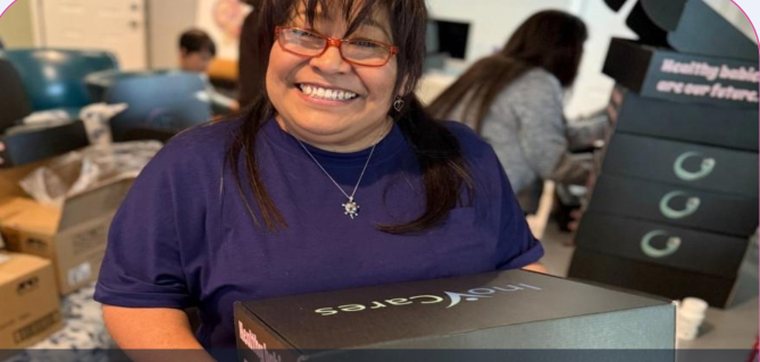
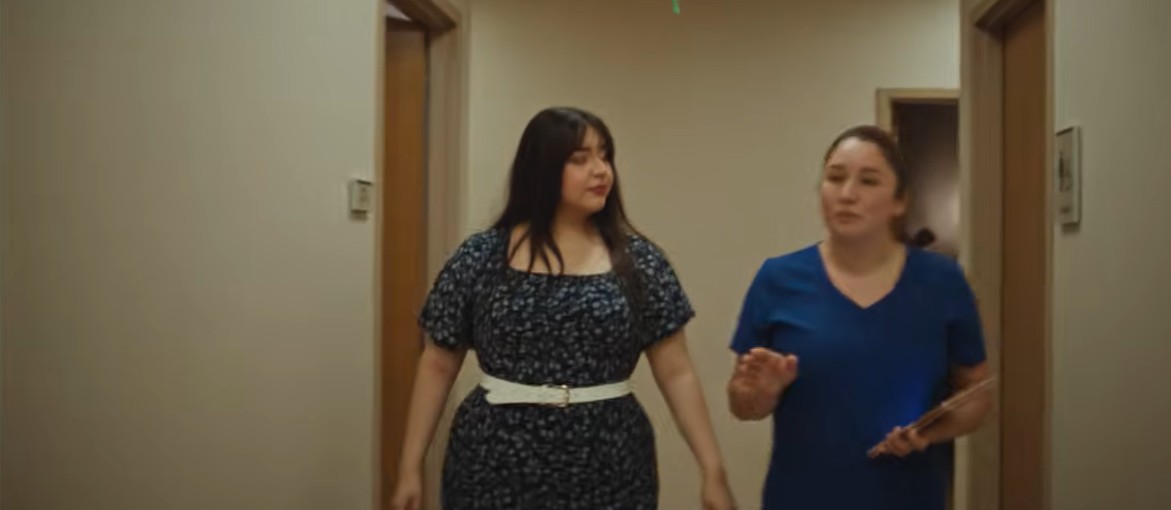
Launch day on the South Side

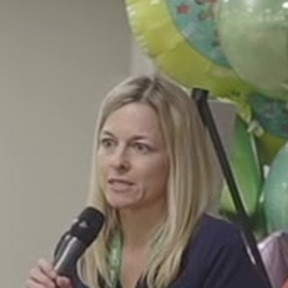
Sherry Pace, CEO of Chicago Family Health Center, OB nurse Jodi Krmpotich and InovCares founder Mohamed Kamara on bringing virtual maternal care to six sites — free to patients, funded through Blue Cross and Blue Shield of Illinois.

+51%increase in prenatal patients at New Horizon, 348 to 525
+$214KOB/GYN department revenue a year, against 2023
11,770prenatal and postpartum visits in 2024–2025, and 4,749 rides to care
100%EPDS screening at postpartum visits, Chicago Family
124Illinois members across six clinics

Revenue follows volume: more prenatal and postpartum encounters kept, billed and documented. At New Horizon the OB/GYN department’s revenue peaked 47% above 2023 on the back of that volume, with 1,171 of those prenatal visits delivered there and 1,359 rides to them. Illinois enrollment: BCBSIL newsroom.

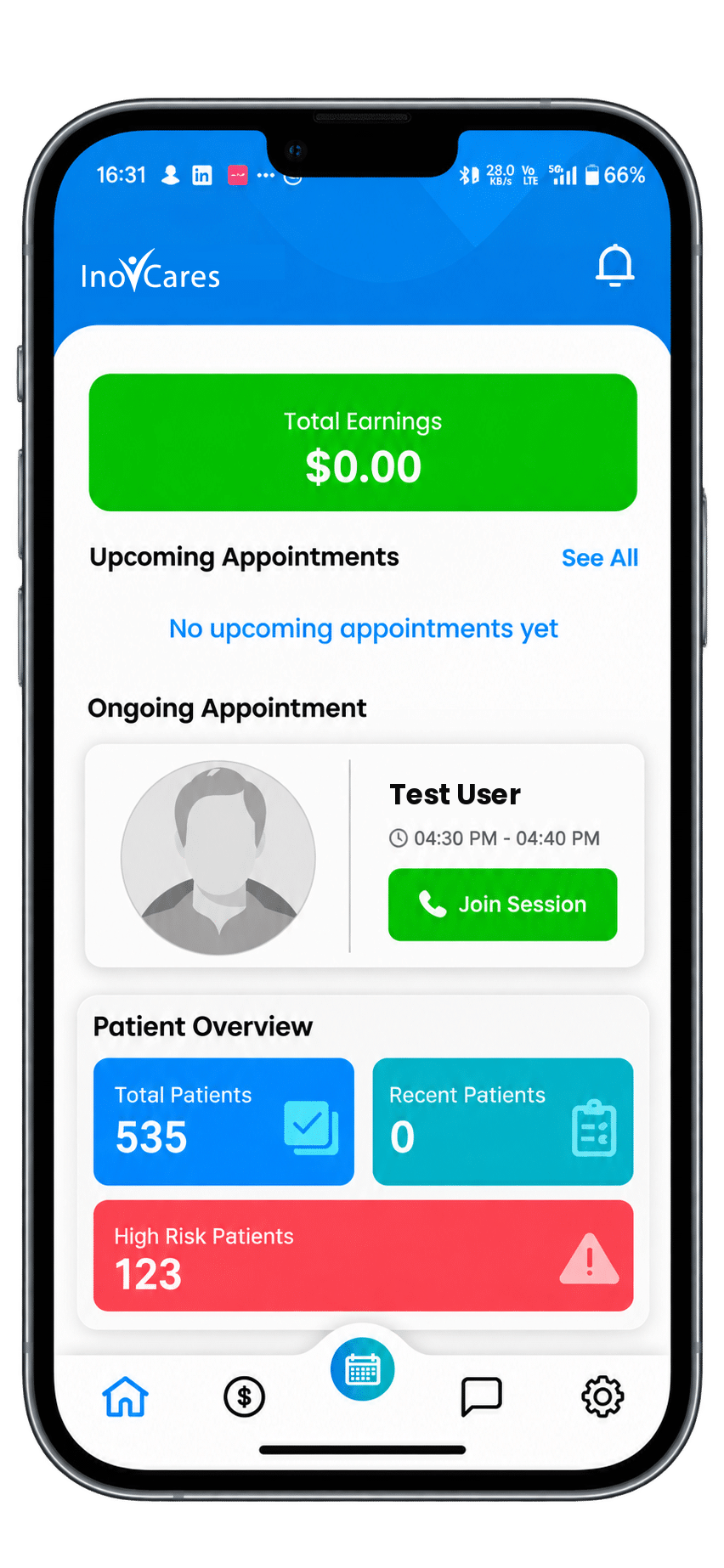
Provider app and dashboard

Clinic and plan see the same record.

  • Risk stratified at enrollment. Monitoring intensity follows risk, so the small share of a panel that needs daily attention gets it.
  • Alerts, not reports. Abnormal glucose and BP readings reach clinicians as they post.
  • A population view for the FQHC. Panel size, vitals, visits and rides refresh in one place.
  • One record, three surfaces. Member app, clinician app and dashboard share the same data.
Download the InovCares provider app on the App StoreGet the InovCares provider app on Google Play

Search “InovCares - Providers” in the app stores.

Chinenye, a patient at HHM Health in Dallas, taking her blood pressure at home with the monitor from her InovCares kit
EHR integration

Patient data lands in the chart — not in another portal.

At Chicago Family Health Center, InovCares writes BP and glucose readings from the patient app directly into each Athena chart. Mental, metabolic and social care-gap assessments are added as a PDF for clinical review. NextGen integrations are supported with plan partners.

Vitals as structured data

Home readings write into the patient’s chart as discrete values.

Assessments as documents

Care-gap assessments arrive as PDFs your clinicians can review in context.

Closed-loop services

Rides, groceries and prescriptions are logged as documented events.

What this asks of you

Three things for your team. The rest is ours.

The first question most practices ask is whether this adds work. Here is the honest division of labor, drawn from how the four partner sites actually run.

Your team
  • Enroll at a visit you are already having. Patients join through you, so the relationship and the record stay with your clinic.
  • Act on alerts, not reports. A rising reading reaches a clinician as an alert. Nobody reads a monthly PDF looking for it.
  • Work in your own chart. Vitals arrive as discrete values and assessments as documents, inside the EHR you already use.
InovCares
  • The kit and its support. Devices, shipping and troubleshooting, funded through the plan partner rather than your budget.
  • Between-visit contact. Doulas, nutrition counseling, midwifery and mental-health referrals carried by our team.
  • Rides, groceries and prescriptions. Booked, delivered and logged as documented events.
  • Questions at 2 a.m. Adama Assist and the care team answer, in English or Spanish. Each answer shows the named physicians behind it, and a clinician reviews it before anything is acted on.

Over the 2024 reporting year, rides, telehealth consultations, prenatal vitamins, doula sessions, nutrition counseling, midwifery consultations and mental-health referrals ran alongside the clinic’s own care. Loss to care at New Horizon fell from 1.54% to 0.23%, with 98% of closed-loop referrals completed.

Clinical criteria

Who is eligible for InovCares.

Patients qualify after 20 weeks of gestation with any of the following. Our service options follow ACOG Practice Bulletin No. 222, Gestational Hypertension and Preeclampsia (2020, reaffirmed 2026).

  • Gestational hypertension
  • Preeclampsia
  • History of preeclampsia
  • Unstable or elevated blood pressure, or chronic hypertension
  • Multiple minor risk factors — gestational hypertension in a previous pregnancy, current multiple gestation, diabetes, obesity and the like
Getting started

Three steps for your clinicians.

Your patients enroll through you, so the relationship and the record stay with your clinic.

Download the provider app

Search “InovCares - Providers” in the App Store or Google Play and create an account.

Set your availability

Once your account is approved, build your schedule so patients can book with you.

Connect with patients

Take referrals, review readings and reports, and act on alerts between visits.

For birthing hospitals

Protect the weeks around delivery.

  • Rides to delivery. No-cost transportation to six Chicago partner hospitals, including Advocate Christ, University of Chicago and Advocate Trinity.
  • Postpartum monitoring at home. Moms go home with a connected cuff and a team watching the readings.
  • Warm handoff to community care. Postpartum and pediatric follow-up returns to the FQHC that knows her.
  • Lactation and behavioral health. EPDS at every postpartum visit and lactation support built into the pathway.
Partner sites

Four sites prove the model can travel.

Standardize the platform; localize the pathway. Each site brings a different population, risk signature and care team.

BCBSTX · Brownsville, TX

New Horizon Health Center

698 enrolled and 401 deliveries, in a predominantly Spanish-speaking community. Prenatal volume rose, and because those encounters were kept and documented, the OB/GYN department’s revenue rose with them, peaking 47% above 2023. Of the newborns delivered, 96.4% went to the regular nursery rather than the NICU.
BCBSTX · Dallas–Fort Worth, TX

HHM Health

356 enrolled, 203 deliveries. A Centering Pregnancy model and BCBSTX Special Beginnings® award, serving a community that speaks many primary languages. So far, 73% vaginal births.

BCBSIL · South & West Chicago, IL

Chicago Family Health Center

124 enrolled since the February 2026 launch across six sites. Across the first 62 deliveries, the cesarean rate was 25.8% against 30.8% statewide, and 85.5% of delivered mothers reached postpartum care.

Rio Grande Valley, TX

Holy Family Birth Center

8 enrolled. A 501(c)(3), midwife-led birth center in Weslaco with 8,443 births since it opened, and the longest average journey to care anywhere in the program.

Delivery counts are the 2024–2026 reporting years and sum to the 666 published across the program. Each site serves a different population, with a different risk signature and a different care team — which is why culturally concordant care and a bilingual interface are design requirements here rather than features.

Site results · HHM Health

The model does not need a single-language population to work.

New Horizon serves a population that is 98% Hispanic and Spanish-speaking. HHM Health in Dallas is the opposite case — no ethnic group above 36%, patients speaking seven or more primary languages — and the delivery outcomes held.

72%vaginal birth 128 of 179 deliveries
22%primary cesarean, against a Texas average of 34.8% 40 deliveries
1%admitted to NICU; 99% to the well-baby nursery 2 of 179
97%breastfeeding at discharge 173 of 179

Who the Dallas site serves

Of 205 enrolled patients: 36% Hispanic, 33% Black, 17% White, 8% Asian, 4% non-Hispanic/Latino and 0.5% Indian. Average age 29. Nineteen percent were referred for mental health support. A culturally concordant care team here means a different team than in Brownsville — which is the point of building the model around the health center rather than around one language.

“It’s my first pregnancy and I have got immense support from InovCares till now. InovCares provided us with a digital blood pressure machine which has been a great device throughout my pregnancy. I could also schedule a session with my Doula and I am learning essentials about labor and delivery now.”
Nafisa · Patient at HHM Health, Dallas

HHM Health women’s department, 2024–2025: 205 enrolled and 179 documented deliveries. The cesarean comparison is the Texas state average of 34.8%.

Launch day

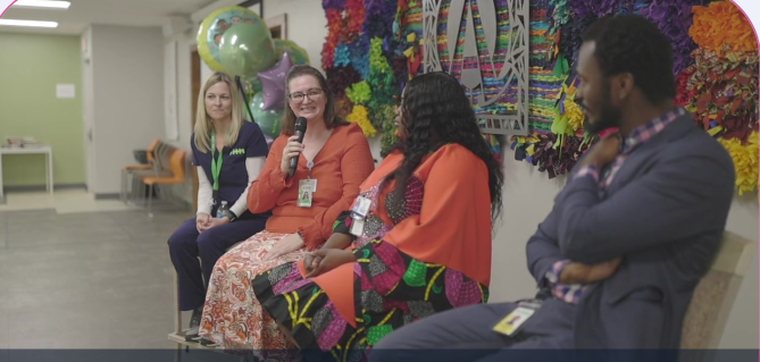
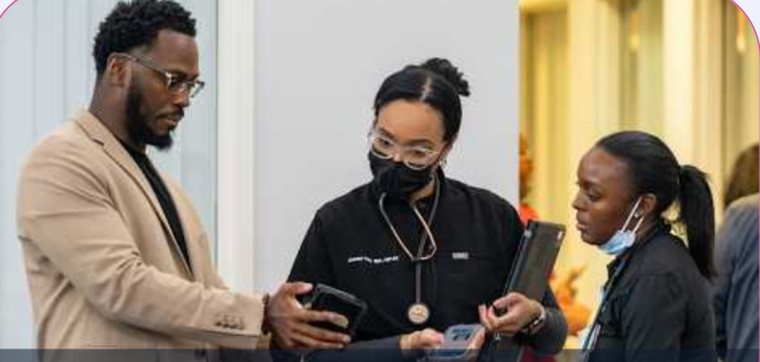
Launch day at HHM Health.

Filmed on site in Dallas — the staff who run the program and the mothers who use it, in their own words. The Chicago launch film is at the top of this page.

HHM Health · Dallas, Texas

Launch day at HHM Health

The Dallas health center introduces InovCares to its patients and staff — the enrollment table, the home kits and the care team behind a Centering Pregnancy model serving families who speak seven or more primary languages.

HHM’s announcement

Filmed on site with HHM Health.

Case studies · Chicago Family Health Center

What a doula and an open chat thread actually change.

Two cases from the South Side, written up by the doula who carried them. Neither is a clinical intervention in the usual sense. Both are the reason the patient stayed in care.

Her power came back on, and she finished the course that got her hired

Gabrielle was 12 weeks pregnant when her electricity was shut off over a $600 balance. The debt was forgiven, a $34/month subsidized rate put in place, and no prenatal appointments were missed through the crisis.

Read the case study

“I need to lose weight, I feel lazy” — and what was actually happening

Keishla was reached through her My Tribes community at three months postpartum. By the second visit her language about herself had shifted toward self-compassion, with a weekly rhythm of care that held.

Read the case study

Written up by the InovCares doula team at Chicago Family Health Center, 2026. Both patients are identified by first name only.

What partners say

The health center and the plan, on the record.

Nine named people — plan medical directors, health-center CEOs, the clinicians running it day to day and a mother who used it — have gone on the record, each quote linked to where it was said.

“He introduced the app to me, and I thought it was a no-brainer to be able to bring those benefits to this community.”
Jason WallaceJason Wallace · CEO, New Horizon Health Center, Brownsville, TX
“InovCares has not only streamlined our clinic’s televisit remote monitoring operations, but it has also strengthened the bond between our healthcare team and our patients.”
Cathy CornishCathy Cornish, MS, APRN, WHNP-BC · HHM Health, Dallas, TX
“Using the app it would be much easier for me to make my appointments, order my medications, to have a little more personal control of what’s going on with me and my baby.”
Jeraldine ColoradoJeraldine Colorado · Expectant mother, Chicago Family Health Center

Read all nine, with the two written case studies

Peer-reviewed, 2026

Our care model is peer-reviewed

Reviewed independently and published open access in Health Equity, with the design and the limitations stated. The full citation and the paper are on the evidence page.

See the evidence
Independent analysis

The outcomes were analyzed outside InovCares

The analysis behind the paper was run by Dr. Kyrah K. Brown’s lab at the University of Texas at Arlington, working only with de-identified data. UT Arlington’s Institutional Review Board reviewed that arrangement in November 2024 and determined it exempt from human-subjects review.

How the analysis was done

Bring InovCares to your patients.

Tell us about your site. We’ll share implementation steps, EHR options and how plan partners fund kits and services.

Enter your name.
Enter a valid work email.
Enter your organization.
Choose an organization type.

Thank you — we’ll be in touch.

Our clinical partnerships team will reach out within two business days.